Author: David Chen

  • Micro-Habits: Desk Exercises for Remote Workers

    Micro-Habits: Desk Exercises for Remote Workers

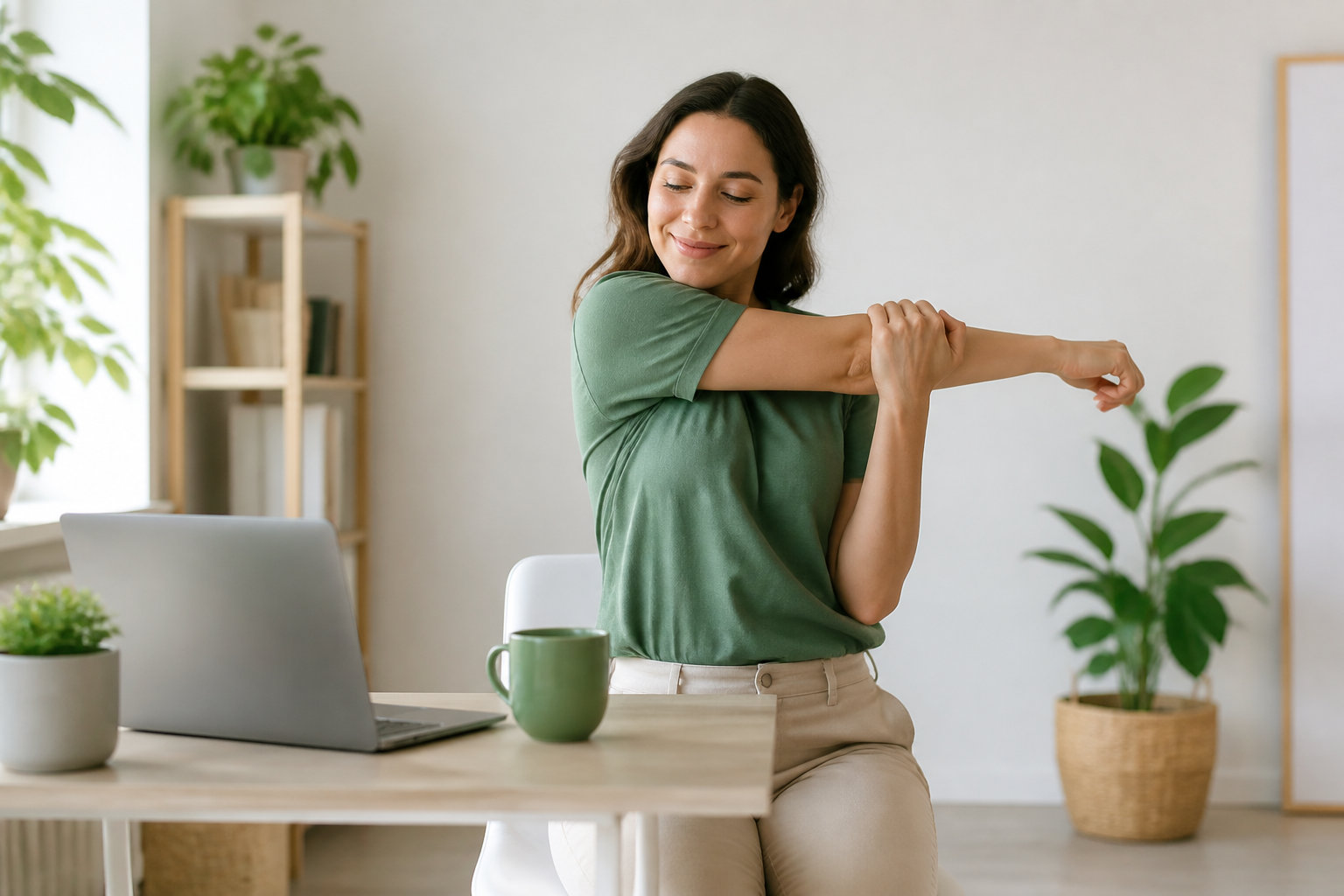
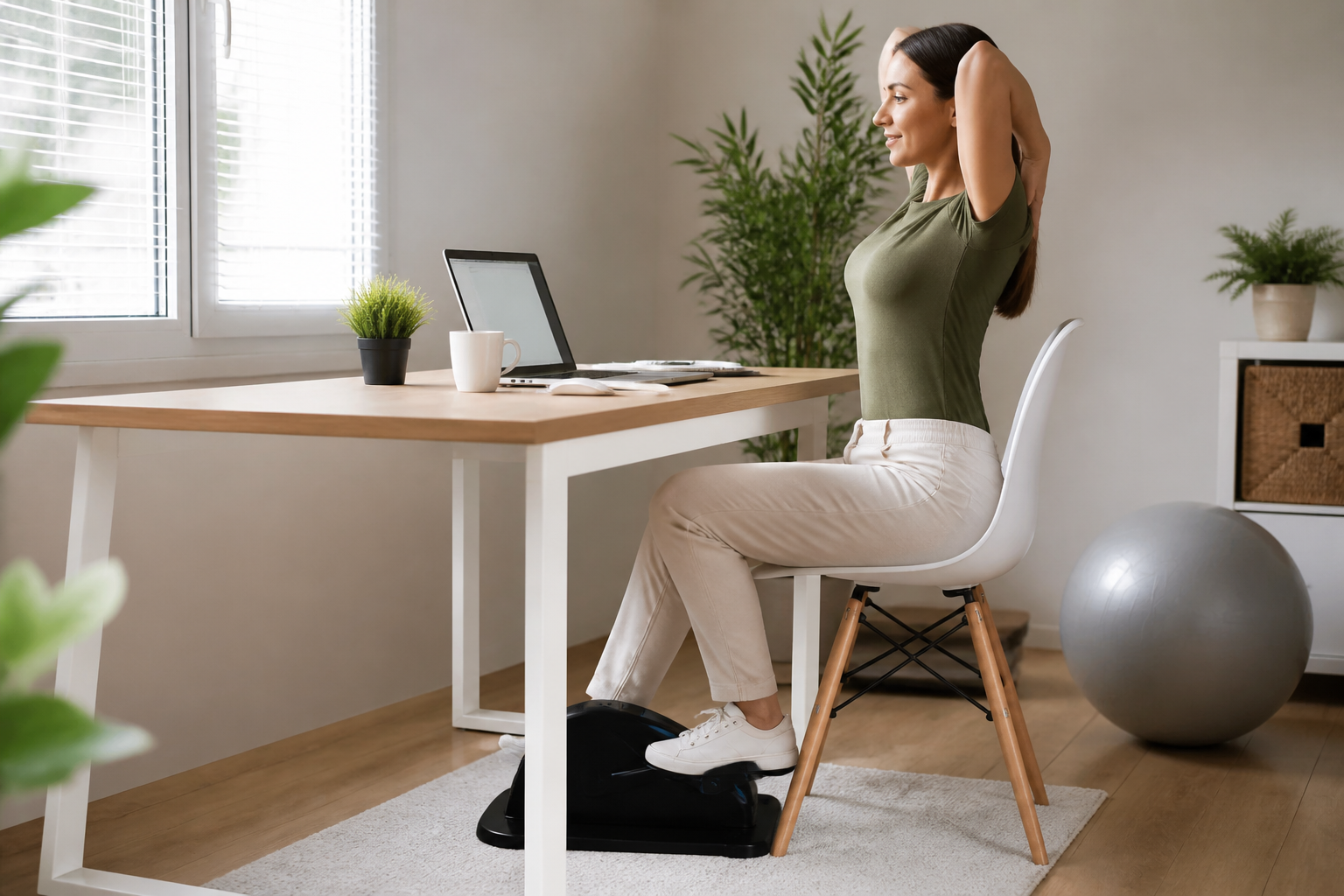
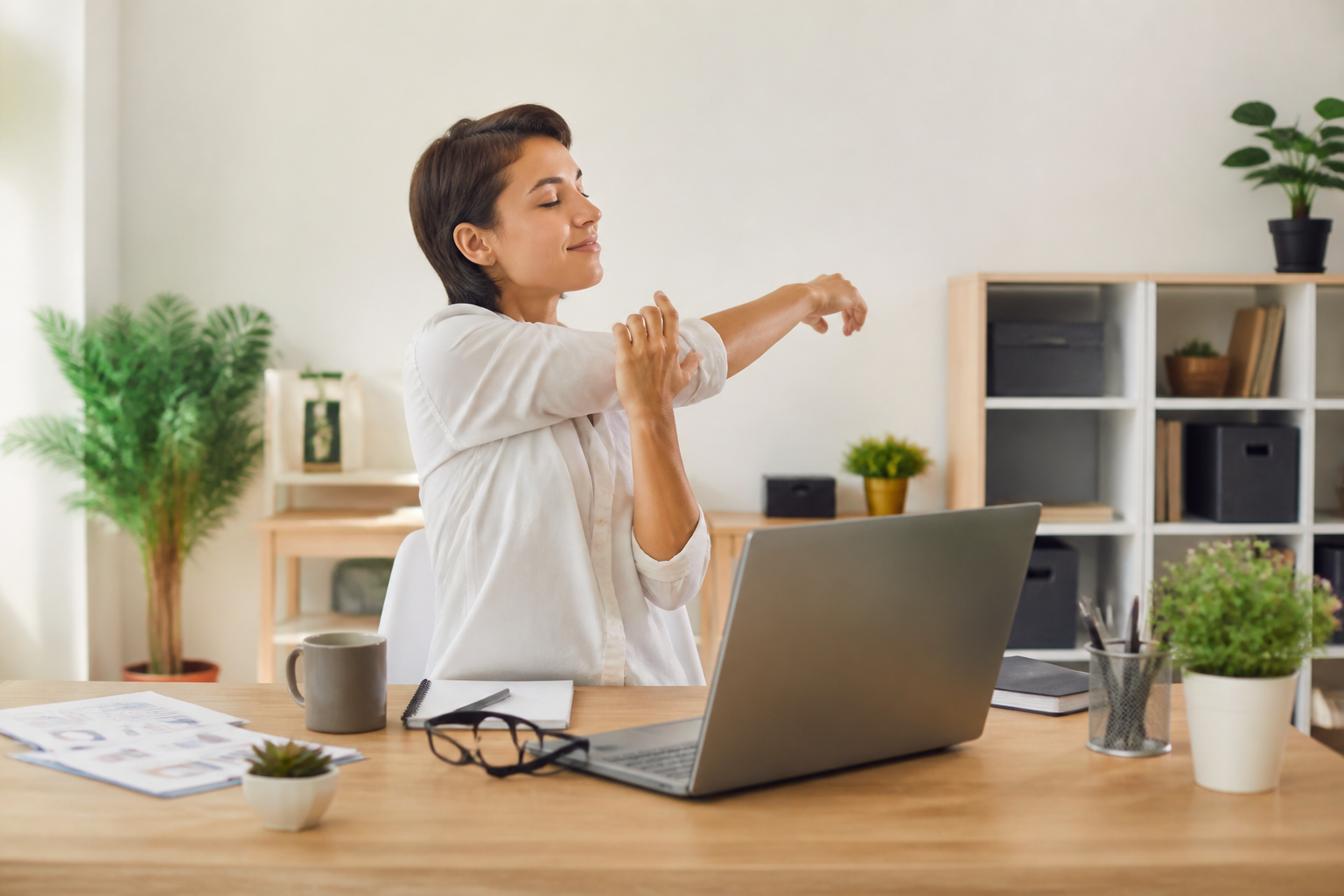
    Staying active while working from home can feel like an uphill battle, especially when back-to-back virtual meetings tie you to your chair. While you might know the benefits of physical activity, finding dedicated time for a workout during a busy day is tough. This is where mastering habit stacking and quick desk exercises for remote workers can transform your daily routine without hurting your productivity.

    What Is Habit Stacking for Remote Health?

    Habit stacking is a behavioral design method where you pair a new habit with an already established routine. Instead of trying to remember to stretch, you link a specific movement to a daily work trigger, such as closing a meeting or waiting for a file to download. By anchoring desk exercises for remote workers to these existing cues, active working becomes automatic and effortless.

    Three Seamless Exercises to Stack Today

    You do not need a home gym to keep your body moving throughout the day. Try stacking a seated spinal twist right after you send your first morning email to release lower back tension. While waiting for your lunch to heat up, practice ten counter-top push-ups. Finally, during audio-only calls, stand up and perform gentle calf raises. These micro-movements keep your circulation flowing and prevent physical fatigue.

    Overcoming the Mental Block of Active Working

    The biggest obstacle to active working is often mental; we feel that taking even a two-minute break will disrupt our flow. However, research shows that brief physical interruptions actually restore cognitive energy and improve overall focus. Shifting your mindset to view desk exercises for remote workers as a tool for better productivity, rather than a distraction, is key to long-term physical well-being.

    Conclusion

    Integrating active working into your remote routine does not require a complete lifestyle overhaul. By leveraging the power of habit stacking, you can easily sneak beneficial movement into your busiest days. Start small by choosing just one daily trigger today, and watch how these micro-exercises compound into significant improvements in your energy, posture, and mental clarity.
  • Quick Desk Exercises for Remote Workers on Busy Days

    Quick Desk Exercises for Remote Workers on Busy Days

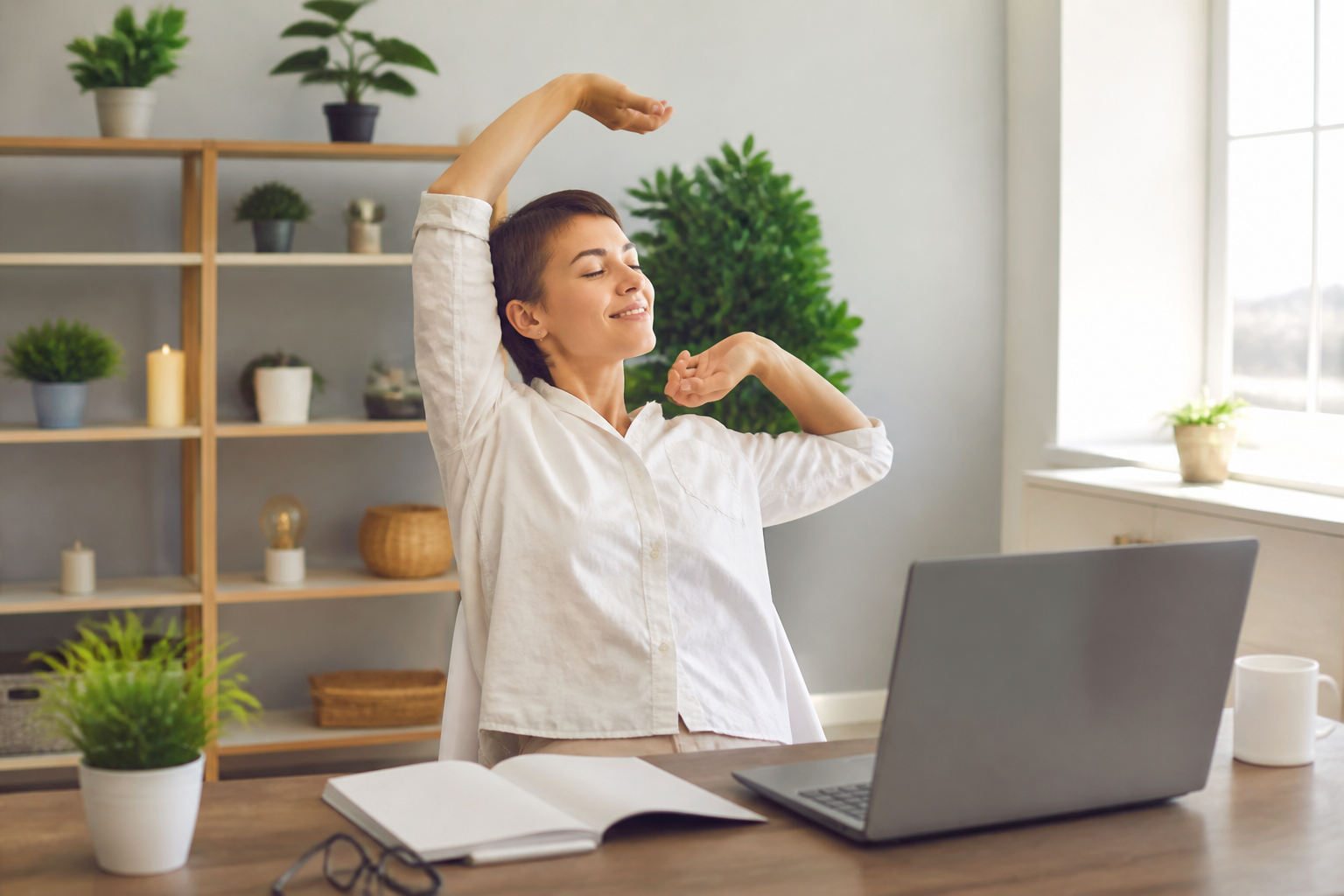
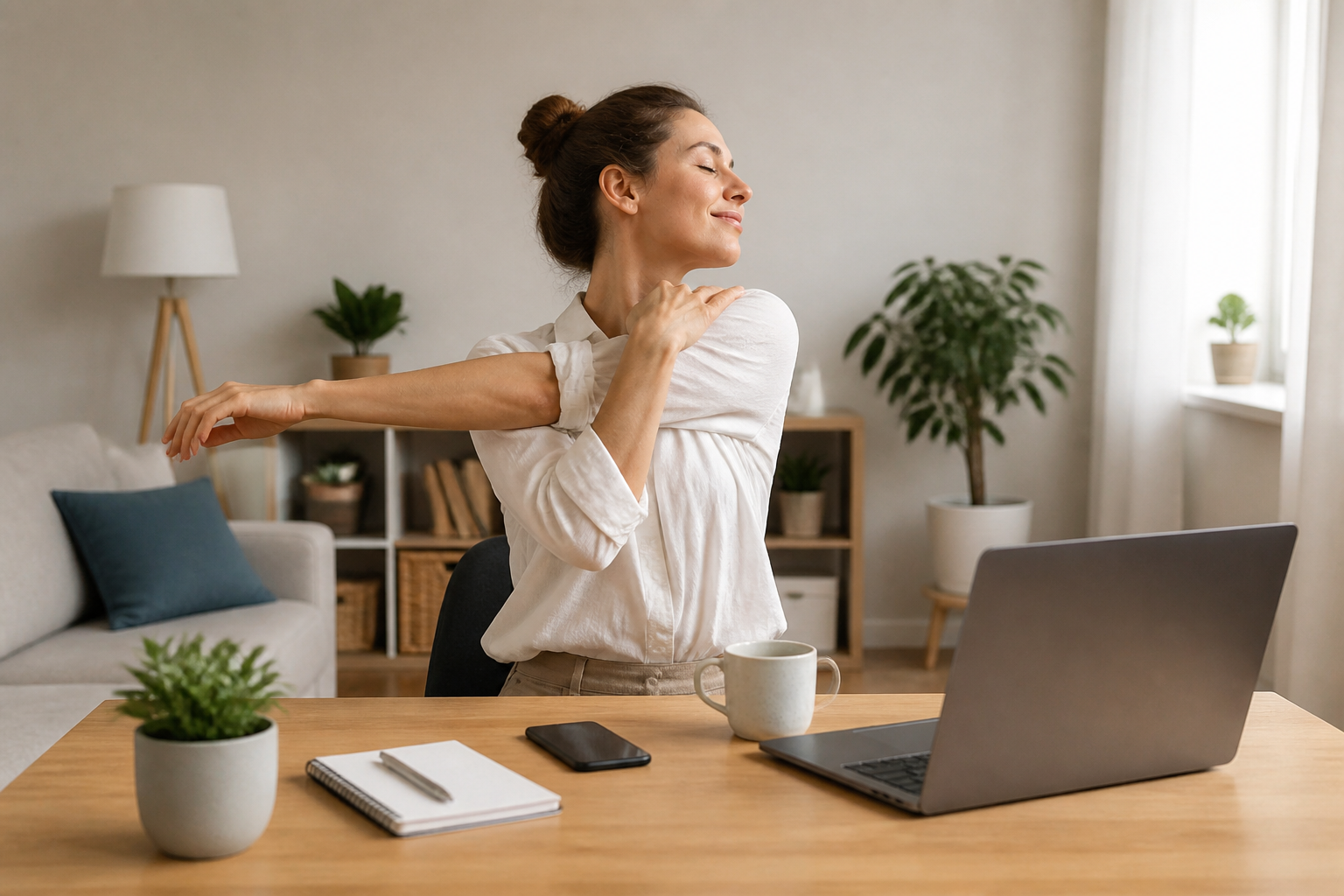
    Working from home often means moving from one virtual meeting to the next without ever leaving your chair. This sedentary loop can quickly drain your energy and stiffen your muscles. Integrating quick desk exercises for remote workers into your daily routine is the ultimate hack to maintain both physical health and mental sharpness during your most hectic workdays.

    Habit Stacking: Fit Movement into Your Schedule

    The secret to consistency is ‘habit stacking’—linking a new physical movement to an existing daily habit. For instance, while waiting for a video call to host, or immediately after hitting ‘Leave Meeting’, perform a quick sixty-second stretch. By attaching these mini-workouts to your established milestones, desk exercises for remote workers transition from a chore into an effortless, automatic routine.

    High-Impact Exercises You Can Do Silently

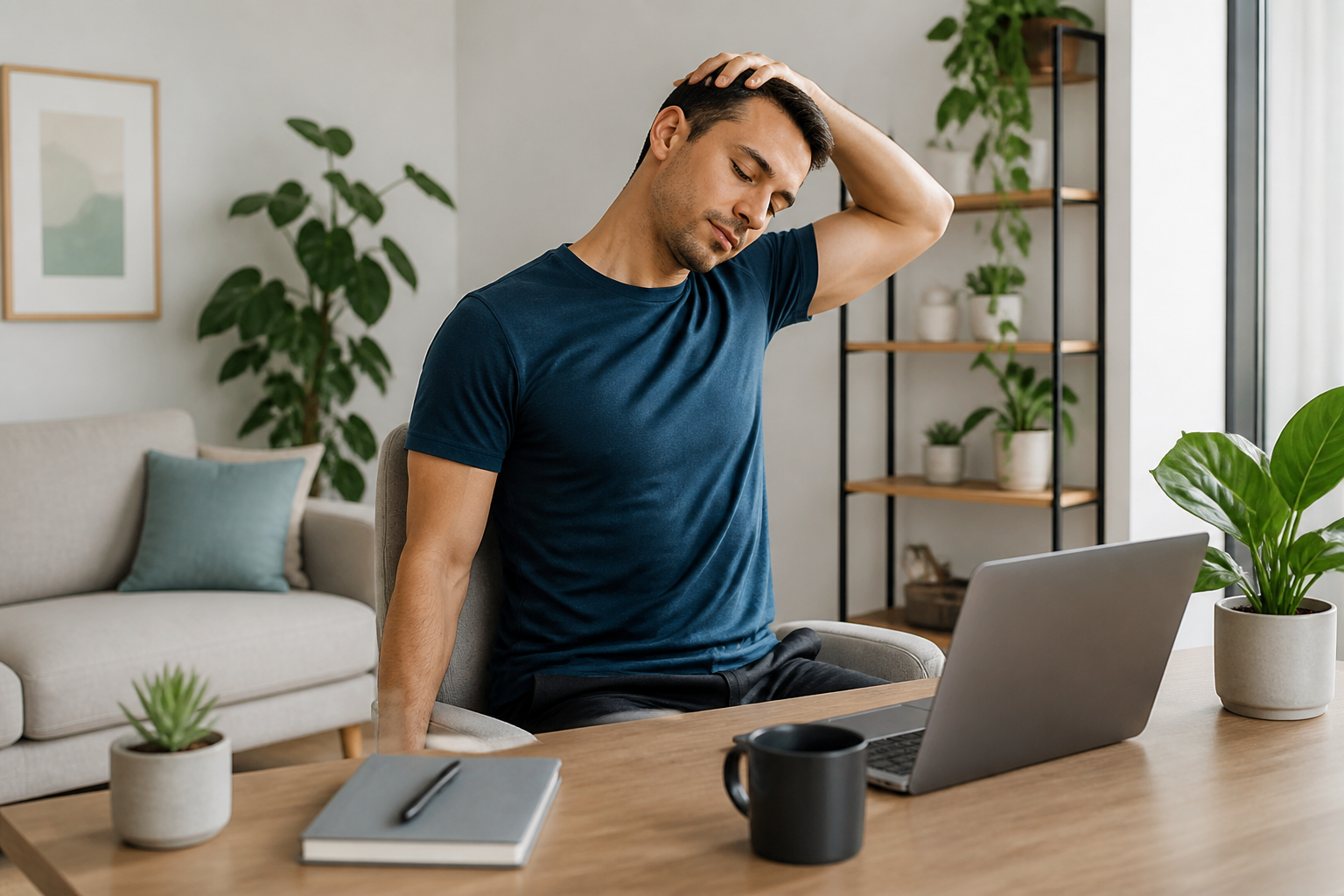
    You do not need a gym setup to stay active at home. Simple movements like seated spinal twists, neck releases, and under-desk ankle rolls can dramatically improve your circulation. If you are on a camera-off call, try doing standing calf raises or a gentle chest-opening stretch against your chair. These subtle movements relieve spinal compression and prevent the dreaded afternoon slump without distracting your team.

    Beyond the immediate physical relief, active working serves as a powerful cognitive reset. Physical movement triggers instant blood flow to the brain, which enhances focus, creativity, and decision-making during high-stress tasks. Taking just two minutes to move can save you hours of sluggish productivity later in the afternoon.

    Conclusion: Build a Healthier Remote Workday

    Staying active at home does not require hours of free time or fancy equipment. By implementing micro-movements throughout your busiest days, you can protect your posture and boost your daily productivity. Start small today by choosing one meeting transition to trigger your favorite desk exercises for remote workers and feel the immediate difference in your energy levels.

  • Meeting-Friendly Desk Exercises for Remote Workers

    Meeting-Friendly Desk Exercises for Remote Workers

    Staying Active During Video Calls

    Remote work often means back-to-back virtual calls, leaving little time to step away. While standard fitness tips suggest standing up every hour, that is not always realistic when you are glued to your screen. Incorporating subtle desk exercises for remote workers during online meetings is the perfect way to stay active without losing your professional focus.

    Stealth Movements for Screen Time

    You can easily activate your lower body without anyone on the call noticing. Seated leg raises are incredibly effective: simply straighten one leg under your desk, hold for five seconds, and lower it slowly. Alternating legs helps engage your core and quadriceps. Another great option is seated calf raises, which keep blood circulating through your lower legs during long presentations.

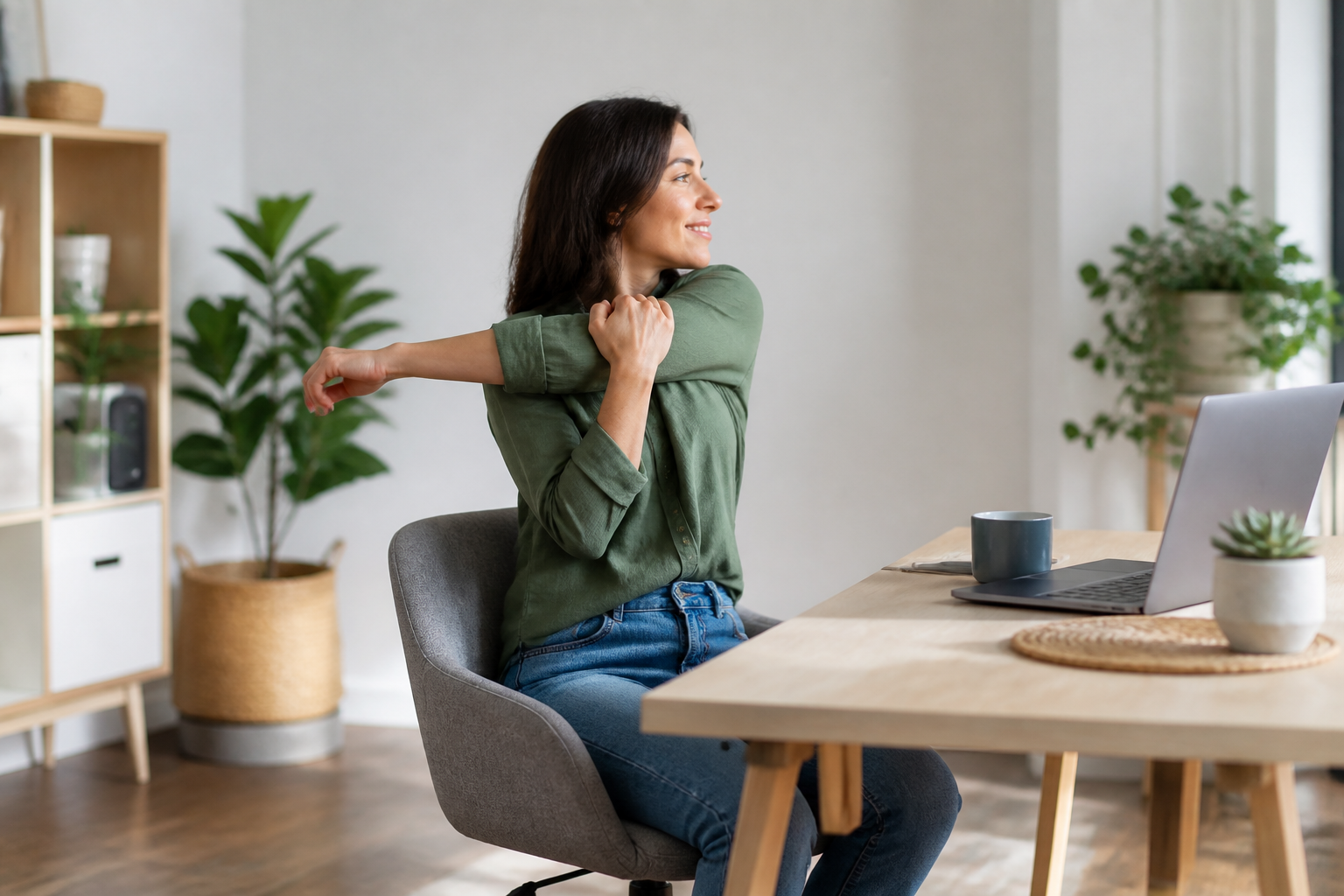
    When you are muted or have your camera temporarily switched off, take advantage of the moment to release upper body tension. Gently roll your shoulders backward and forward to relieve stress in your trapezius muscles. Seated spinal twists are also excellent; gently turn your torso to one side while holding your chair, exhaling deeply to release tension in your lower back.

    Building Your Meeting Movement Habit

    To make these physical habits stick, associate specific movements with recurring virtual events. For example, perform gentle neck stretches while waiting for colleagues to join the link, or do seated glute squeezes during regular status updates. By stacking these desk exercises for remote workers onto your existing work calendar, active working becomes second nature.

    Conclusion

    Staying healthy at home does not require disrupting your busy workday. By integrating subtle, camera-friendly movements into your daily calls, you can boost your energy, improve your posture, and reduce overall fatigue. Embrace these quick desk exercises for remote workers to stay healthy and productive, one virtual meeting at a time.

  • Desk Exercises for Remote Workers: Boost Afternoon Focus

    Desk Exercises for Remote Workers: Boost Afternoon Focus

    We have all experienced the dreaded afternoon slump. After hours of staring at screens, your focus drifts, and your energy plummets. While your first instinct might be to reach for another cup of coffee, the real cure lies in physical movement. Incorporating brief physical activities into your remote workday is not just about physical health; it is a powerful tool to reboot your brain and restore mental clarity.

    The Cognitive Benefits of Micro-Movements

    Staying sedentary for hours restricts blood flow, which directly impacts your cognitive performance and decision-making skills. By practicing quick desk exercises for remote workers, you stimulate blood circulation and deliver oxygen to your brain. This simple shift triggers the release of endorphins, which improve memory, focus, and overall mood during high-stress tasks.

    Active Exercises to Refresh Your Mind

    You do not need a full gym setup to stay active at home. Try integrating seated spinal twists to relieve lower back tension, or desk push-ups to engage your upper body and increase your heart rate. Even simple ankle rolls and seated calf raises under your desk can prevent blood pooling and keep you feeling sharp and alert during long virtual meetings.

    Habit Stacking for Seamless Integration

    The secret to consistency is habit stacking. Instead of trying to schedule a full workout, attach your micro-movements to existing daily triggers. For example, do five squats immediately after closing a video call, or practice neck stretches while waiting for your coffee to brew. These tiny, recurring habits build a sustainable routine of active working without disrupting your professional schedule.

    Conclusion

    Beating the afternoon fatigue does not require hours at the gym. By adopting simple desk exercises for remote workers, you can boost your productivity, protect your physical posture, and keep your mind sharp all day long. Start small today, and feel the difference that consistent micro-movements can make in your remote work journey.

  • Stealth Desk Exercises for Remote Workers in Meetings

    Stealth Desk Exercises for Remote Workers in Meetings

    Staying active at home can be challenging, especially when your day is packed with back-to-back video calls. Fortunately, you don’t need a gym membership or even a break in your schedule to keep your body moving. Implementing stealthy desk exercises for remote workers during virtual meetings is a game-changer for maintaining your energy and health without distracting your colleagues.

    Subtle Lower Body Activation

    When it comes to effective desk exercises for remote workers, the lower body is your best friend because it remains completely off-camera. Try performing seated leg extensions: slowly lift one leg straight out under your desk, hold it for five seconds, and lower it. Alternating legs for a few minutes engages your quadriceps and core. Additionally, doing silent calf raises or squeezing your glutes for ten-second intervals will keep your blood circulating during long presentations.

    Invisible Core and Posture Correctors

    You can easily work on your posture and core strength without anyone noticing on camera. Sit tall, pull your belly button toward your spine, and hold this contraction for 30 seconds to engage your transverse abdominis. Another excellent move is the shoulder blade squeeze. Gently pull your shoulders back and down, squeezing your scapulae together as if holding a pencil between them. This counters the “computer hunch” and opens up your chest instantly.

    Under-the-Desk Joint Mobility

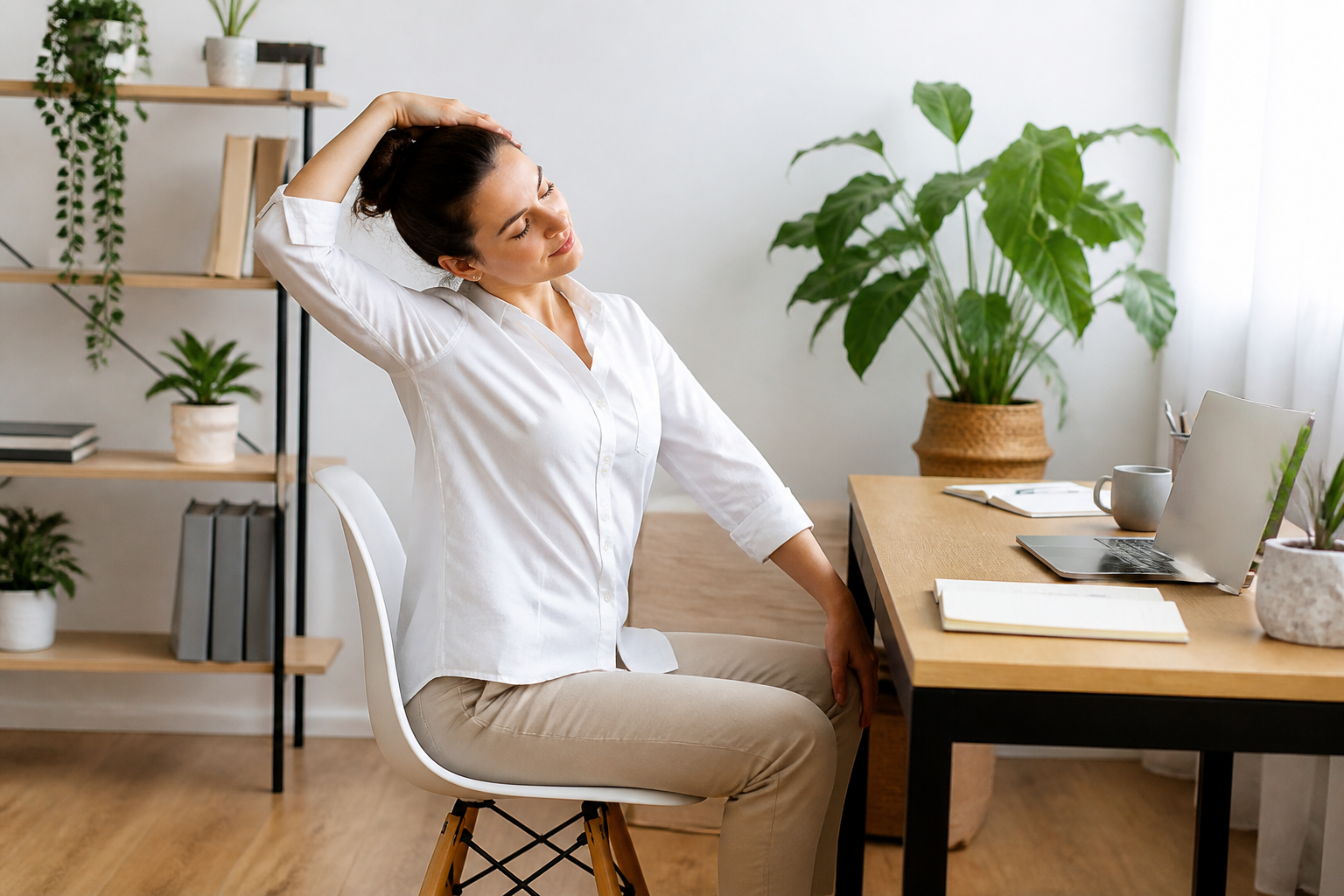
    Stiffness often accumulates in our extremities while typing. To combat this, you can perform wrist and ankle rolls entirely out of the camera’s frame. Roll your ankles clockwise and counter-clockwise to prevent swelling, and gently stretch your fingers and wrists downward under your desk. For your neck, slowly tilt your head from side to side during audio-only moments to release tension built up in your upper trapezius muscles.

    Conclusion: Small Movements, Big Health Benefits

    Incorporating these micro-exercises into your daily meeting routine proves that you do not need dedicated workout blocks to stay healthy. By focusing on subtle, off-camera movements, you can boost your circulation, improve your posture, and keep your mind sharp. Start with just one or two habits today, and turn your passive screen time into an active, health-boosting routine.

  • Desk Exercises for Remote Workers: Habit Stacking Tips

    Desk Exercises for Remote Workers: Habit Stacking Tips

    Finding time for physical activity can feel impossible when your calendar is packed with virtual meetings. If you have struggled to maintain a consistent fitness routine, the secret isn’t waking up earlier; it is integrating movement into your existing routine. By using the habit stacking method, you can easily incorporate desk exercises for remote workers into your daily schedule without losing productivity.

    What is Habit Stacking?

    Habit stacking is a productivity method where you pair a new habit with an already established one. Instead of trying to remember to stretch, you anchor the movement to a trigger you do every day, such as waiting for a file to download or brewing your morning coffee. This approach removes the mental friction of starting a new routine.

    Simple Stacks for Your Workday

    To start, choose easy desk exercises for remote workers that fit naturally into your workflow. For example, every time you join a muted video call, perform ten seated heel raises to boost circulation. When you finish reading a long email, do three gentle neck rolls. By attaching these micro-movements to your regular tasks, active working becomes second nature.

    Creating Your Active Desk Routine

    The key to success with active working is keeping the movements low-effort and accessible. Keep a resistance band on your desk as a visual cue. When you feel your energy dip in the afternoon, spend just two minutes doing seated rows. These small moments of physical activity accumulate over the week, keeping your joints lubricated and your mind sharp.

    Conclusion: Small Steps to Better Health

    You do not need an hour-long workout block to combat the sedentary nature of working from home. By pairing quick movements with your daily habits, you build a sustainable routine that supports your physical well-being. Start small today by choosing one work trigger and stacking your first desk exercise onto it.

  • Desk Exercises for Remote Workers: Video Call Edition

    Desk Exercises for Remote Workers: Video Call Edition

    Working from home has revolutionized our schedules, but it has also chained us to virtual meeting rooms. If your calendar is packed with back-to-back video calls, finding time for physical activity can feel impossible. Fortunately, you do not need to block out hours at the gym to stay active. By implementing subtle, camera-friendly desk exercises for remote workers, you can keep your circulation flowing and your muscles engaged without your colleagues ever noticing.

    Stealthy Lower-Body Movements for Video Calls

    The secret to staying active during a meeting lies beneath the camera frame. Seated leg extensions are perfect for this; simply extend one leg straight out under your desk, hold for five seconds, and lower it slowly. Alternating legs targets your quadriceps and core. Additionally, you can perform seated calf raises by lifting your heels off the ground while keeping your toes pressed down. These micro-movements stimulate blood flow, reducing the risk of stiffness during long presentations.

    Upper-Body Releases Between Slides

    When you are not speaking or when screens are being shared, take a moment to release upper-body tension. Gently roll your shoulders backward to counteract the slouching posture that causes back pain. You can also perform subtle isometric chest presses by pressing your palms together in front of your chest, just out of camera range. These quick desk exercises for remote workers act as physical resets, preventing fatigue from settling into your neck and shoulders.

    Creating a Sustainable Active Work Routine

    To make these movements habitual, try linking them to specific digital triggers. For example, every time someone says ‘can you see my screen,’ use that moment to perform a seated spinal twist or a deep breathing cycle. By stacking these physical triggers onto your existing workflow, active working becomes second nature rather than another chore on your to-do list.

    Conclusion: Small Movements, Big Health Benefits

    In conclusion, staying active while working remotely does not require disrupting your professional workflow. By integrating discreet desk exercises for remote workers into your daily video calls, you protect your physical health and boost your mental focus. Start with just one or two subtle movements today, and transform your sedentary meeting hours into opportunities for physical rejuvenation.

  • Easy desk exercises for remote workers: Morning routine

    Easy desk exercises for remote workers: Morning routine

    Transitioning to a work-from-home setup often means losing the natural movement of a daily commute. Active working isn’t about running a marathon during your lunch break; it is about integrating small, consistent movements into your day. Implementing quick desk exercises for remote workers first thing in the morning can drastically improve your circulation, boost energy levels, and set a productive tone for the rest of your shift.

    Awakening Your Upper Body Before the First Meeting

    Spending hours hunched over a laptop can lead to severe tension in your neck and shoulders. To counteract this, start your morning with simple desk exercises for remote workers that focus on opening up the chest and releasing upper body tightness. Try doing seated shoulder shrugs and gentle neck rolls for two minutes. These micro-movements stimulate blood flow to the brain, helping you feel more alert and ready to tackle your inbox.

    Activating Your Core and Lower Body from Your Chair

    Active working also means keeping your lower body engaged even while seated. You can easily perform seated leg extensions by lifting one leg straight out, holding it for five seconds, and lowering it slowly. Repeating this ten times per leg engages your core and quadriceps. Alternatively, try standing up and performing five chair squats every time you finish a task, bridging the gap between passive sitting and active working.

    Conclusion: Building Your New Active Work Habit

    Committing to a healthier lifestyle does not require hours at the gym. By weaving these desk exercises for remote workers into your morning ritual, you lay the foundation for sustainable physical well-being. Start small with just five minutes a day, and notice how your body responds to the consistent movement. Stay tuned for the next article in our series, where we will explore how to maintain this momentum during the afternoon slump.